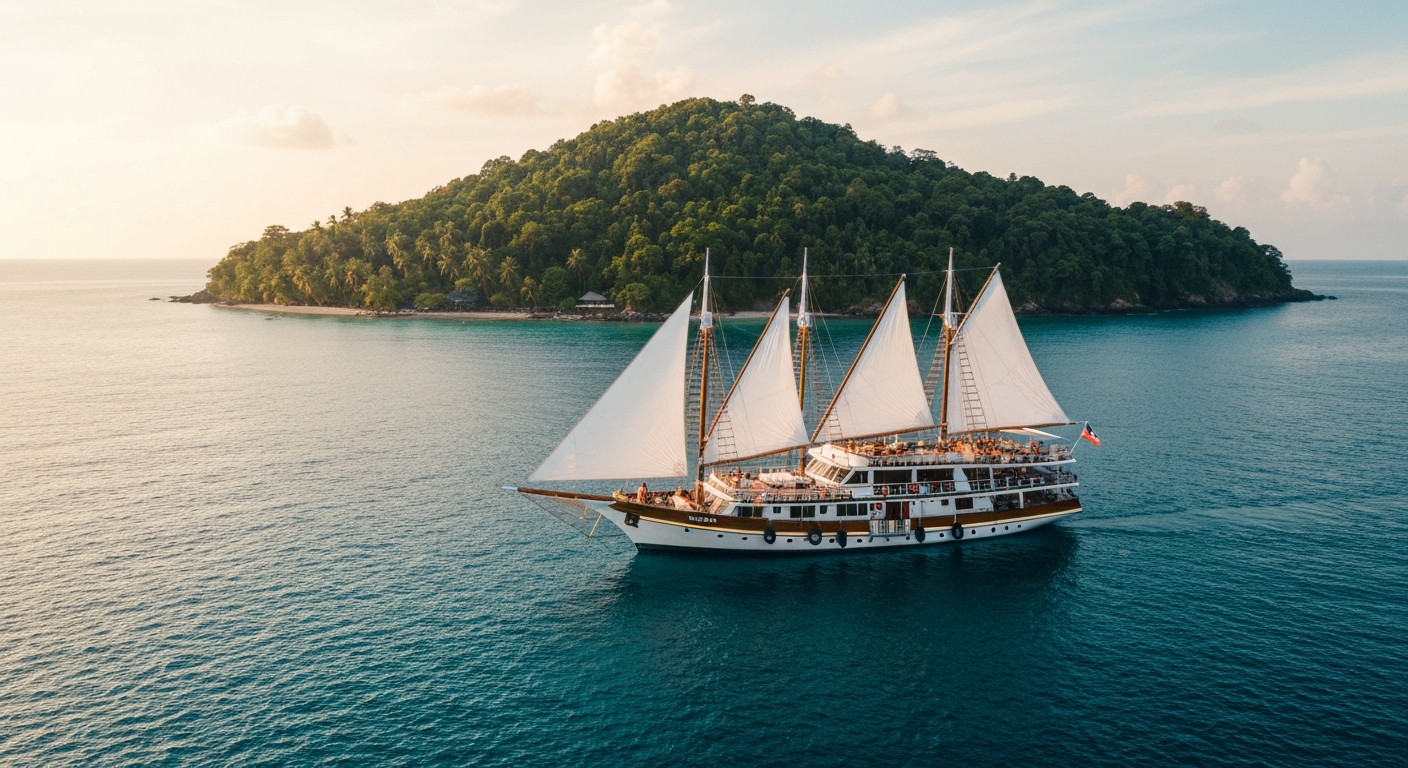
Operating a yacht charter in Bali’s protected marine areas in 2026 requires adherence to specific permit regulations. These permits are crucial for accessing designated marine parks, particularly around the Nusa Islands and other conservation zones. Foreign tourists booking private charters must understand that permit fees contribute directly to marine conservation efforts and local community development. The Indonesian government established these regulations to preserve biodiversity and manage visitor impact within sensitive ecosystems, with updates to fee structures and protocols implemented annually. For instance, the Nusa Penida Marine Protected Area, covering over 20,000 hectares, mandates daily permits for all visitors, including yacht charter guests and crew, as detailed by the Ministry of Marine Affairs and Fisheries [Ministry of Marine Affairs and Fisheries (KKP) Official Website](https://kkp.go.id).
The Mandate for Marine Conservation in Bali’s Waters
Marine Protected Areas (MPAs) are designated zones established to conserve marine biodiversity and natural resources. Indonesia, as an archipelagic nation, has prioritized the protection of its vast and diverse marine ecosystems. As of early 2026, the country maintains over 200 MPAs, spanning more than 27.8 million hectares, reflecting a significant commitment to environmental stewardship. These areas are vital for species like manta rays, sunfish (Mola mola), and various coral species, which attract thousands of tourists annually. The regulations ensure that tourism activities, including yacht charters, proceed with minimal ecological footprint, safeguarding these resources for future generations.
Key Marine Protected Areas Requiring Permits for Yacht Access
Several marine protected areas surrounding Bali are popular destinations for yacht charters and necessitate proper permitting. The Nusa Penida Marine Protected Area (MPA) stands as a primary example, encompassing Nusa Penida, Nusa Lembongan, and Nusa Ceningan. This MPA alone records over 1.5 million tourist visits annually, with approximately 15% arriving by private boat. Other significant areas include sections of the West Bali National Park, known for its pristine coral reefs and diverse fish populations, and specific conservation zones near Lombok, like the Gili Matra MPA. Accessing these zones without valid permits can result in substantial penalties, underscoring the importance of compliance.
Understanding 2026 Marine Park Permit Types and Application Protocols
Marine park permits in 2026 are categorized based on activity type, vessel size, and duration of stay. Recreational permits are mandatory for yacht charters, covering activities such as snorkeling, diving, and general sightseeing within MPA boundaries. Permit applications typically require submission of vessel registration documents, crew manifests, and a planned itinerary at least 72 hours in advance. Processing times usually range from 3 to 5 business days, varying with peak seasons. Charters exceeding 24 hours within an MPA may require multi-day permits or renewal, a regulation enforced to manage visitor density and resource impact effectively.
Detailed Breakdown of 2026 Marine Park Permit Fees and Associated Costs
Permit fees in 2026 contribute directly to marine park management, conservation programs, and local community initiatives. For foreign tourists, the standard daily marine park entry fee is IDR 250,000 per person, an increase of approximately 25% since 2024. Indonesian citizens typically pay IDR 75,000 per person per day. Additionally, yacht charters incur a vessel entry fee, which varies by boat length and capacity; for vessels over 15 meters, this fee can be IDR 750,000 per day. These fees are collected by the local conservation authority and must be paid in Indonesian Rupiah, often requiring cash or approved digital payment methods at designated offices. Bali Yacht VIP Charter includes these essential fees in many of its package offerings, simplifying the process for guests.
Compliance, Enforcement, and Sustainable Yacht Charter Operations
Compliance with marine park regulations is strictly enforced by local marine police and conservation rangers. Operating a yacht charter without the correct permits can lead to severe penalties, including fines up to IDR 75,000,000 for commercial vessels and potential impoundment of the yacht. These regulations are not merely bureaucratic; they are integral to a broader strategy of sustainable tourism and environmental protection. For example, strict rules govern waste disposal, anchoring practices, and interaction with marine life, prohibiting activities like feeding fish or touching corals. Adhering to these guidelines ensures guests enjoy Bali’s marine beauty responsibly, supporting the long-term health of these fragile ecosystems. [National Geographic’s Marine Conservation Efforts](https://www.nationalgeographic.org/projects/marine-conservation/) highlight global best practices echoed in Bali’s regulations.
Ensuring a Legally Compliant Bali Yacht VIP Charter Experience
Selecting a reputable and legally compliant yacht charter operator is paramount for a seamless and responsible experience in Bali. Bali Yacht VIP Charter prioritizes full adherence to all Indonesian marine park regulations and permitting requirements. This commitment protects guests from potential fines or disruptions during their trip. Our operational protocols include pre-arranging all necessary permits for specified itineraries, ensuring every yacht and crew member holds current licenses and certifications for 2026. This dedication to compliance supports local conservation efforts and guarantees a worry-free premium experience for every guest, whether they seek a private yacht trip to Nusa Penida or a luxury day charter around Bali.
Key Regulations for Yacht Charters in Marine Protected Areas (2026)
- All foreign guests require a daily entry permit for designated MPAs; cost: IDR 250,000 per person.
- Vessel permits are mandatory, with fees varying by yacht size; vessels over 15m incur IDR 750,000 daily.
- Anchoring is restricted to designated mooring buoys or sandy bottoms to prevent coral damage.
- Waste disposal at sea is strictly prohibited; all waste must be returned to shore for proper disposal.
- Interaction with marine life, such as touching corals or feeding fish, is illegal and carries fines.
- Maximum group sizes may apply for specific dive or snorkel sites to minimize human impact.
- All crew members must possess valid licenses and undergo regular safety training.
- Noise levels are regulated within MPAs, especially during dawn and dusk, to avoid disturbing wildlife.
- Drone use may be restricted or require additional permits in certain sensitive zones.
Understanding and respecting Bali’s marine park permits and associated costs is fundamental for any yacht charter in 2026. These regulations underscore Indonesia’s commitment to protecting its invaluable marine heritage. By choosing a compliant operator like Bali Yacht VIP Charter, guests not only ensure a legal and smooth trip but also contribute directly to vital conservation initiatives. We handle all complexities of permit acquisition, allowing you to focus on the beauty of Bali’s waters. For detailed information on specific routes and permit requirements for your private yacht charter in Bali, please contact our team directly.